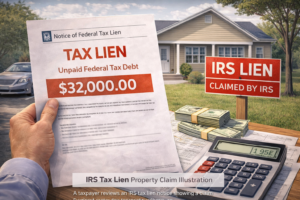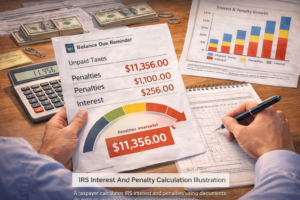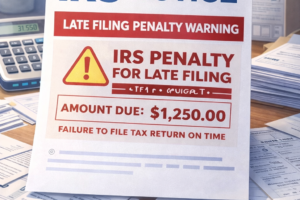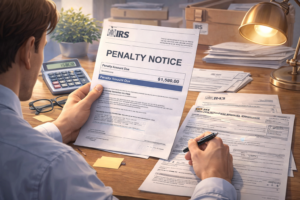
An IRS penalty abatement letter example can help taxpayers understand how to request the removal of tax penalties effectively. Many people receive IRS penalty notices but do not realize they have the right to request relief through a formal letter.
If you owe penalties due to late filing, late payment, or other tax issues, writing a proper abatement request can significantly reduce your total tax debt. The IRS reviews these requests carefully, and a well-written letter can increase your chances of approval.
This guide provides IRS penalty abatement letter examples, templates, and step-by-step instructions to help you write a successful request.
According to the IRS official penalty relief page, taxpayers may request penalty removal through reasonable cause or administrative relief programs.
What Is an IRS Penalty Abatement Letter?
An IRS penalty abatement letter is a written request sent to the IRS asking for penalties to be reduced or removed. This letter explains why the taxpayer failed to comply with tax rules and provides supporting reasons for relief.
Taxpayers typically send this letter after receiving a penalty notice.
When Should You Send an IRS Penalty Abatement Letter?
You should send a penalty abatement letter after:
- Receiving an IRS penalty notice
- Paying or arranging payment of tax debt
- Confirming eligibility for penalty relief
For example, taxpayers who receive notices like the IRS CP501 notice may also face penalties if the balance remains unpaid.
Types of IRS Penalty Abatement Requests
First-Time Penalty Abatement
This applies if you have a clean compliance history.
See our guide on IRS first time penalty abatement.
Reasonable Cause Abatement
This requires explanation and documentation.
Administrative Waiver
Applies in limited IRS-defined situations.
IRS Penalty Abatement Letter Example (Basic Template)
Your Name
Your Address
City, State ZIP
SSN or EIN
Date

Internal Revenue Service
Address from notice

Subject: Request for Penalty Abatement

Dear Sir or Madam,

I am writing to request abatement of penalties for the tax year [YEAR]. Due to [REASON], I was unable to comply with my tax obligations on time.

I have since corrected the issue and am now fully compliant. I respectfully request that the penalties be removed based on reasonable cause.

Thank you for your consideration.

Sincerely,
[Your Name]
IRS Penalty Abatement Letter Example for Reasonable Cause
Dear IRS,

I am requesting penalty abatement for the tax year 2023 due to circumstances beyond my control.

During this period, I experienced a serious medical condition that prevented me from managing my financial responsibilities. I have attached supporting medical documentation.

I have now filed all returns and paid my tax obligations. I respectfully request removal of penalties.

Sincerely,
[Your Name]
How To Write an IRS Penalty Abatement Letter
1. Be Clear and Direct
Explain your request clearly and avoid unnecessary details.
2. Provide Valid Reason
The IRS requires a valid reason such as illness or hardship.
3. Include Supporting Documents
Attach evidence to strengthen your case.
4. Maintain Professional Tone
Keep the letter formal and respectful.
Common Reasons Accepted by IRS
- Serious illness
- Natural disasters
- Death in family
- Financial hardship
Common Mistakes to Avoid
- Submitting incomplete information
- Using emotional arguments without evidence
- Ignoring IRS deadlines
What Happens After You Send the Letter?
The IRS reviews your request and may:
- Approve the abatement
- Deny the request
- Request additional information
How This Relates to IRS Collection Actions
Reducing penalties can help prevent escalation into collection actions such as:
- Wage garnishment
- Bank levy
See IRS wage garnishment explained.
Alternative Options If Denied
- Request reconsideration
- Apply for offer in compromise
- Set up installment agreement
See offer in compromise IRS guide.
Frequently Asked Questions
Can I write my own letter?
Yes, templates help but customization is recommended.
How long does IRS respond?
Usually several weeks.
Can penalties be fully removed?
Yes, if approved.
Conclusion
An IRS penalty abatement letter example can guide taxpayers in requesting penalty relief effectively. A well-written letter, supported by documentation, increases the chances of approval.
Understanding the process and taking action early can help reduce tax burden and avoid further IRS enforcement actions.