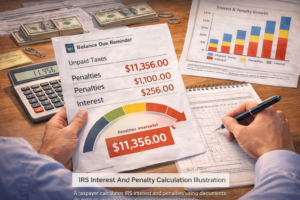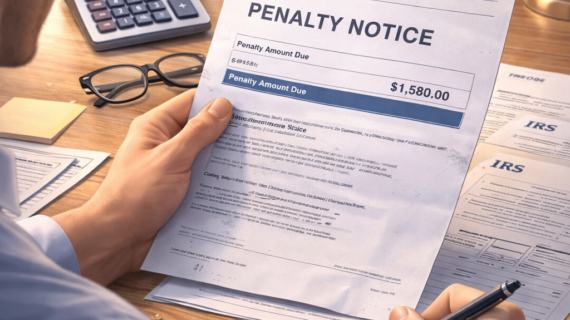
Understanding how to remove IRS penalty charges can save taxpayers a significant amount of money. Many people are surprised to learn that IRS penalties are not always permanent. In certain situations, taxpayers may qualify to reduce or completely eliminate these penalties.
The IRS imposes penalties to encourage compliance, but it also provides relief options for taxpayers who meet specific criteria. If you have received a penalty notice, taking action quickly can improve your chances of getting relief.
This guide explains how to remove IRS penalty charges, what options are available, and how to apply for penalty relief successfully.
According to the IRS official penalties page, taxpayers may qualify for penalty relief through programs such as penalty abatement and reasonable cause.
What Are IRS Penalties?
IRS penalties are additional charges applied when taxpayers fail to comply with tax rules. These penalties can significantly increase the total tax debt.
Common IRS penalties include:
- Failure to file penalty
- Failure to pay penalty
- Accuracy-related penalty
- Underpayment penalty
For example, the IRS penalty for late filing can reach up to 25% of the unpaid tax balance.
Why the IRS Charges Penalties
The IRS applies penalties to encourage taxpayers to file accurate returns and pay taxes on time. These penalties are designed to discourage late filing, underreporting income, and non-payment.
However, the IRS recognizes that some taxpayers may face circumstances beyond their control.
Can You Remove IRS Penalty Charges?
Yes, in many cases, taxpayers can remove IRS penalty charges if they meet certain requirements. The IRS offers several programs that allow penalty relief.
The most common options include:
- First-Time Penalty Abatement
- Reasonable Cause Relief
- Administrative Waivers
First-Time Penalty Abatement (FTA)
First-Time Penalty Abatement is one of the easiest ways to remove IRS penalty charges.
Eligibility Requirements
- No penalties in the past three years
- All required returns filed
- Tax debt paid or under payment plan
If you qualify, the IRS may remove penalties without requiring a detailed explanation.
Reasonable Cause Relief
Taxpayers who do not qualify for FTA may still remove IRS penalty charges through reasonable cause relief.
Valid Reasons for Relief
- Serious illness
- Natural disasters
- Financial hardship
- Death in the family
- Records destroyed
The IRS evaluates each case individually based on supporting documentation.
How To Apply To Remove IRS Penalty
Step 1: Review Your IRS Notice
Carefully read the notice to understand the type of penalty and tax year involved.
You may receive notices such as the IRS CP501 notice reminder if taxes remain unpaid.
Step 2: Determine Eligibility
Check whether you qualify for First-Time Abatement or reasonable cause relief.
Step 3: Prepare Documentation
Gather supporting evidence such as medical records, financial documents, or disaster reports.
Step 4: Submit Your Request
You can request penalty removal by:
- Calling the IRS
- Sending a written request
- Submitting IRS Form 843
How Long Does It Take To Remove IRS Penalty?
The processing time depends on the complexity of the request. Some requests may be approved quickly, while others may take several weeks.
What Happens If You Ignore IRS Penalties?
If taxpayers ignore penalties, interest continues to accumulate.
Eventually, the IRS may begin collection actions such as wage garnishment or bank levies.
Learn more in our guide on what happens if you ignore IRS notices.
How To Prevent Future IRS Penalties
- File tax returns on time
- Pay taxes before deadlines
- Keep accurate records
- Respond to IRS notices quickly
Our article on how to respond to IRS notice letters can help you avoid penalties.
IRS Payment Options If You Owe Taxes
Installment Agreement
Allows taxpayers to pay tax debt in monthly payments.
See IRS installment agreement requirements.
Offer in Compromise
Allows taxpayers to settle tax debt for less than owed.
Currently Not Collectible Status
May pause IRS collection due to financial hardship.
Frequently Asked Questions
Can IRS penalties be removed completely?
Yes, depending on eligibility, penalties may be fully removed.
How often can you request penalty abatement?
First-Time Abatement is typically available once every three years.
Do I need a tax professional?
Not always, but complex cases may benefit from professional assistance.
Conclusion
Learning how to remove IRS penalty charges can significantly reduce your tax burden. The IRS provides several relief options for eligible taxpayers.
By understanding your options, preparing documentation, and responding quickly, you can improve your chances of reducing or eliminating IRS penalties.