If you owe taxes to the IRS and cannot pay the full amount immediately, you may still have options. One of the most common and effective solutions is setting up an IRS payment plan, also known as an installment agreement.
Understanding IRS payment plan eligibility is crucial if you want to avoid aggressive collection actions such as bank levies, wage garnishment, or property seizure.
In this guide, we will explain who qualifies for an IRS payment plan, the different types available, and how you can apply step by step.
What Is an IRS Payment Plan?
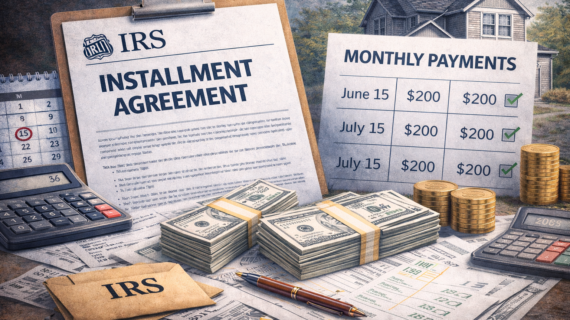
An IRS payment plan is an agreement that allows you to pay your tax debt over time instead of in one lump sum.
This option is designed for taxpayers who cannot afford to pay their balance in full but are willing to make monthly payments.
If you are already facing collection pressure, understanding options like how to stop IRS wage garnishment can also help you act quickly.
Who Is Eligible for an IRS Payment Plan?
Most taxpayers qualify for some type of payment plan, but eligibility depends on several factors:
- The amount of tax debt you owe
- Your income and financial situation
- Your filing compliance (all tax returns must be filed)
- Your payment history with the IRS
Generally, if you cannot pay your tax debt in full but can make monthly payments, you are likely eligible.
Types of IRS Payment Plans
The IRS offers several types of installment agreements depending on your situation.
Short-Term Payment Plan
This plan is available if you can pay your balance within 180 days.
- No setup fee
- Penalties and interest still apply
Long-Term Payment Plan (Installment Agreement)
This is the most common option for taxpayers who need more time.
- Monthly payments required
- Setup fees may apply
- Available for individuals and businesses
Streamlined Installment Agreement
This option is available for taxpayers with lower balances.
- Simplified approval process
- No extensive financial documentation required
Partial Payment Installment Agreement
This allows you to pay less than your full tax debt over time.
However, the IRS will review your financial situation regularly.
Minimum Requirements to Qualify
To qualify for an IRS payment plan, you must meet certain basic requirements:
- All required tax returns must be filed
- You must owe a qualifying amount
- You must agree to monthly payments
- You must remain compliant with future taxes
Failure to meet these conditions can result in rejection or cancellation of your plan.
How Much Do You Need to Owe?
Your eligibility depends partly on how much you owe.
- Under $10,000: Often qualifies for guaranteed installment agreement
- Under $50,000: Eligible for streamlined plans
- Over $50,000: Requires financial disclosure
If your balance continues to grow due to penalties, you may want to explore how to reduce IRS penalties.
How to Apply for an IRS Payment Plan
Applying for a payment plan is straightforward if you meet the eligibility requirements.
Apply Online
You can apply directly through the IRS website using the Online Payment Agreement tool.
Apply by Phone
You can contact the IRS and request a payment plan.
Apply by Mail
Submit Form 9465 (Installment Agreement Request).
The online method is usually the fastest and easiest.
What Happens After You Apply?
Once your application is submitted:
- The IRS reviews your request
- You may receive approval quickly (especially for streamlined plans)
- You begin making monthly payments
As long as you follow the agreement, the IRS typically pauses collection actions.
Can a Payment Plan Stop IRS Collections?
Yes, in most cases.
Once your payment plan is approved:
- Wage garnishment may stop
- Bank levies may be released
- Further enforcement is paused
If you’re currently at risk of enforcement, you can also learn more about whether the IRS can take money from your bank account.
What If You Cannot Afford Payments?
If you cannot afford even a reduced payment, you may have other options:
- Offer in Compromise
- Currently Not Collectible status
- Penalty abatement
Each option depends on your financial situation.
Common Mistakes to Avoid
When applying for a payment plan, avoid these common mistakes:
- Failing to file all tax returns
- Missing payments
- Providing inaccurate financial information
- Ignoring IRS notices
These mistakes can lead to rejection or termination of your plan.
Tips to Improve Your Approval Chances
To increase your chances of approval:
- File all required returns
- Be honest about your financial situation
- Choose a realistic monthly payment
- Apply online if possible
Preparation can make the process smoother.
Frequently Asked Questions (FAQ)
Do I qualify for an IRS payment plan?
Most taxpayers qualify if they cannot pay in full and meet basic requirements.
How long can I take to pay?
Depending on the plan, you may have several months or years.
Will penalties stop?
No, penalties and interest continue until the debt is paid.
Can the IRS reject my application?
Yes, if you do not meet eligibility requirements.
Final Thoughts
IRS payment plan eligibility is broader than many people think. If you cannot pay your tax debt in full, setting up a payment plan can help you avoid serious collection actions and regain control of your finances.
The key is to act early, stay compliant, and choose the best option for your situation.