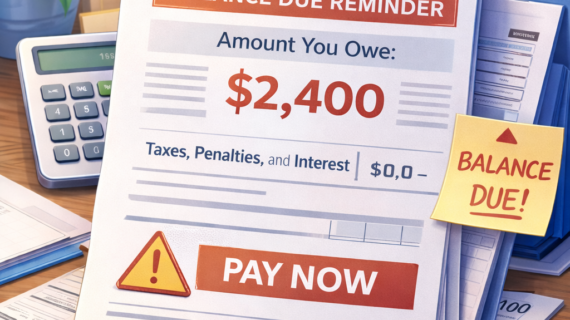
An IRS CP501 notice is a reminder letter sent by the Internal Revenue Service to taxpayers who still have an unpaid tax balance. This notice indicates that the IRS previously notified you about the balance but has not yet received payment.
Although an IRS CP501 notice is not the most serious tax notice issued by the IRS, it is an important warning that your tax account still shows an outstanding balance. Ignoring the notice can lead to additional collection letters and eventually more aggressive enforcement actions.
This guide explains the IRS CP501 notice meaning, why taxpayers receive it, how it fits into the IRS collection process, and what steps you should take if you receive this notice.
What Is an IRS CP501 Notice?
An IRS CP501 notice is a reminder notice informing taxpayers that they still owe money to the IRS. The letter usually follows an earlier balance due notice and is sent when the IRS has not received payment.
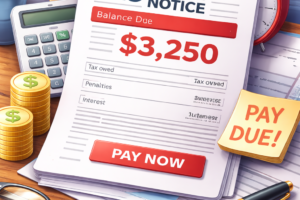
The notice outlines the total amount owed, including penalties and interest that may have accumulated since the original tax return was processed.
Many taxpayers first receive an initial notice such as the IRS CP14 notice explaining an unpaid tax balance. If the balance remains unpaid, the IRS may send a CP501 notice as a reminder.
Why the IRS Sends a CP501 Notice
The IRS sends a CP501 notice when a taxpayer still owes a tax balance after receiving an earlier notice. The purpose of the letter is to remind taxpayers that the balance remains unresolved.
Common reasons taxpayers receive an IRS CP501 notice include:
- The taxpayer filed a return but did not pay the full tax amount
- The IRS adjusted the tax return and increased the balance
- Penalties and interest were added to an existing tax debt
- A previous IRS notice was ignored
In most cases, the CP501 notice simply indicates that the IRS is still waiting for payment.
What Information Appears in an IRS CP501 Notice?
The IRS CP501 notice contains important information related to your tax account. Reviewing the notice carefully helps you understand why the IRS sent the letter.
The notice typically includes:
- The tax year associated with the balance
- The original tax amount owed
- Penalties applied to the balance
- Interest charges
- Total amount currently due
- Instructions for making a payment
Taxpayers should verify the information in the notice to ensure the balance is correct.
Where CP501 Fits in the IRS Collection Notice Sequence
The IRS follows a structured process when collecting unpaid taxes. Notices are typically sent in stages before the IRS begins enforcement actions.
The general notice sequence includes:
- CP14 – Initial balance due notice
- CP501 – Reminder notice
- CP503 – Second reminder notice
- CP504 – Notice of intent to levy
- LT11 – Final notice before levy
For example, taxpayers who continue to ignore IRS notices may eventually receive the IRS Notice LT11 final notice of intent to levy, which warns about potential asset seizure.
How Serious Is an IRS CP501 Notice?
An IRS CP501 notice is considered a reminder rather than a final enforcement notice. However, it should still be taken seriously.
If the balance remains unpaid after the CP501 notice, the IRS will continue sending additional collection notices. Each notice becomes more serious and may eventually lead to enforcement actions.
Responding early can help taxpayers avoid penalties and more aggressive collection efforts.
Steps to Take After Receiving an IRS CP501 Notice
1. Review the Notice Carefully
Start by reading the notice carefully to understand the tax year and balance listed.
2. Verify the Balance
Compare the notice with your tax records and payment history to confirm that the balance is accurate.
3. Pay the Balance If Possible
If the balance is correct and you can afford to pay it, submitting payment quickly may prevent additional penalties.
4. Contact the IRS If You Disagree
If you believe the balance is incorrect, contact the IRS immediately to resolve the issue.
How to Pay an IRS Tax Balance
The IRS provides several convenient payment options for taxpayers.
- IRS Direct Pay online system
- Electronic funds transfer
- Credit or debit card payment
- Check or money order payment
Paying early reduces interest and penalty accumulation.
What Happens If You Ignore the CP501 Notice?
If a taxpayer ignores the CP501 notice, the IRS will continue sending additional collection letters. These letters escalate in seriousness as the IRS attempts to collect the unpaid balance.
Eventually, taxpayers may receive notices warning about possible levy actions or asset seizure.
Penalties and Interest on Unpaid Taxes
When taxes remain unpaid, the IRS may apply penalties and interest to the outstanding balance.
Common penalties include:
- Failure to pay penalty
- Late filing penalty
- Interest charges
You can learn more about how these penalties work in our article explaining the IRS penalties for late tax filing.
Options If You Cannot Pay the Full Balance
If you cannot afford to pay the entire tax balance immediately, several options may help resolve your tax debt.
IRS Installment Agreement
An installment agreement allows taxpayers to repay their tax balance through monthly payments. This option is commonly used by taxpayers who cannot pay the full amount immediately.
You can read more in our guide explaining the IRS installment agreement requirements and payment plan options.
Offer in Compromise
This program allows some taxpayers to settle their tax debt for less than the full amount owed if they meet strict financial eligibility requirements.
Currently Not Collectible Status
Taxpayers experiencing severe financial hardship may qualify for temporary suspension of IRS collection actions.
Tips to Avoid IRS Tax Notices
While IRS notices can happen for many reasons, taxpayers can reduce the risk by following several best practices.
- File tax returns on time
- Pay taxes owed before the deadline
- Track all income sources carefully
- Maintain accurate tax records
Frequently Asked Questions
Is the IRS CP501 notice serious?
The CP501 notice is a reminder that a tax balance remains unpaid. While not the most serious IRS notice, it should still be addressed promptly.
Can the IRS seize my bank account after CP501?
No. The CP501 notice is only a reminder letter. However, ignoring it could eventually lead to more serious notices.
How long do I have to respond?
The IRS expects taxpayers to resolve the balance as soon as possible after receiving the notice.
Conclusion
An IRS CP501 notice is a reminder that a tax balance remains unpaid. Although the notice itself is not the final stage of the IRS collection process, it signals that the IRS expects prompt payment.
Responding early by verifying the balance and choosing an appropriate payment option can prevent additional notices and help taxpayers resolve their tax debt responsibly.