Knowing how to respond to IRS notice letters is essential for any taxpayer who receives a letter from the Internal Revenue Service. Many people panic when they see an IRS notice in their mailbox, but most IRS letters are simply requests for clarification or reminders about tax balances.
If you receive an IRS notice, the most important thing is to read it carefully and respond appropriately. Ignoring the notice can lead to additional penalties, interest, and potential IRS collection actions.
This guide explains how to respond to IRS notice letters, what the notices usually mean, and the steps you should take to resolve the issue before the situation escalates.
Why the IRS Sends Notice Letters
The IRS sends notice letters to communicate important information about your tax account. These notices are generated when the IRS identifies an issue related to your tax return or payment history.
Common reasons the IRS sends notices include:
- Unpaid tax balances
- Missing information on a tax return
- Income discrepancies
- Request for additional documentation
- Changes made to your tax return
According to guidance published by the IRS official website, taxpayers should review every IRS notice carefully and respond if required.
Common Types of IRS Notice Letters
The IRS sends many different types of notices depending on the issue involved.
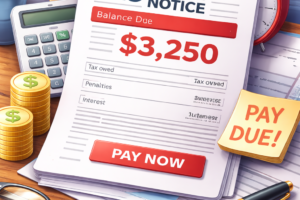
Balance Due Notices
These notices inform taxpayers that they owe money to the IRS. One common example is the IRS CP14 notice explaining unpaid tax balances.
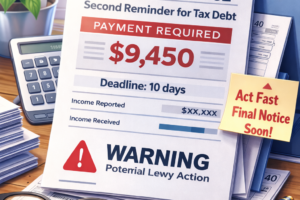
Reminder Notices
If the balance remains unpaid, the IRS may send reminder notices such as the IRS CP501 notice reminder letter.
These reminders encourage taxpayers to pay the balance before additional penalties accumulate.
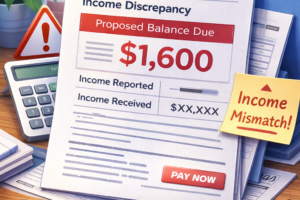
Income Adjustment Notices
Sometimes the IRS believes income was reported incorrectly. In these situations, taxpayers may receive notices such as the IRS CP2000 notice explaining income discrepancies.
Step-by-Step: How To Respond To IRS Notice
Step 1: Read the IRS Notice Carefully
The first step when learning how to respond to IRS notice letters is to carefully read the entire letter. IRS notices typically contain detailed explanations of the issue and instructions for resolving it.
Pay attention to the following information:
- Notice number
- Tax year involved
- Amount owed (if applicable)
- Response deadline
Step 2: Verify the Information
Compare the notice with your tax return and financial records. In some cases, IRS notices may be triggered by simple reporting errors or missing information.
Confirm that the tax year and income listed in the notice match your records.
Step 3: Determine Whether a Response Is Required
Not every IRS notice requires a response. Some notices simply provide information.
However, if the notice requests documentation or payment, you should respond before the deadline.
Step 4: Gather Supporting Documents
If the IRS requests additional information, gather any documents that support your tax return.
Examples include:
- W-2 forms
- 1099 income statements
- Bank records
- Receipts
- Tax return copies
Step 5: Respond Before the Deadline
Responding before the deadline is critical when learning how to respond to IRS notice letters. Missing deadlines may result in additional penalties.
You can respond through:
- Online IRS account
- Mail response
- Phone call to the IRS
What Happens If You Ignore IRS Notices
If taxpayers fail to respond to IRS notices, the situation may escalate.
Ignoring notices may lead to:
- Additional penalties
- Interest charges
- Tax liens
- Bank account levies
- Wage garnishment
Our guide explaining what happens if you ignore IRS notice letters describes these risks in detail.
IRS Collection Notice Sequence
The IRS follows a sequence of notices when collecting unpaid taxes.
- CP14 – Initial balance notice
- CP501 – Reminder notice
- CP503 – Second reminder notice
- CP504 – Levy warning notice
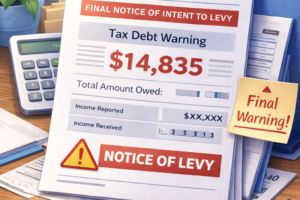
- LT11 – Final notice of intent to levy
For example, taxpayers who receive the IRS CP504 notice explaining the next step before levy should respond quickly to avoid enforcement actions.
Options If You Cannot Pay the IRS Balance
If you cannot afford to pay the full tax balance, the IRS offers several options.
Installment Agreement
An installment agreement allows taxpayers to repay tax debt through monthly payments.
You can read more in our guide about IRS installment agreement requirements.
Offer in Compromise
Some taxpayers may qualify to settle tax debt for less than the full amount owed.
Currently Not Collectible Status
Taxpayers experiencing severe financial hardship may qualify for temporary suspension of IRS collection actions.
Tips for Handling IRS Notice Letters
- Always read IRS notices carefully
- Respond before deadlines
- Keep copies of tax records
- Consult a tax professional if needed
Frequently Asked Questions
Do all IRS notices require a response?
No. Some IRS notices are informational. However, notices requesting documentation or payment require action.
How long do I have to respond to IRS notice?
The deadline depends on the notice type. Always check the response date printed on the letter.
Can IRS notices be wrong?
Yes. Occasionally IRS notices are generated due to reporting errors or missing documents.
Conclusion
Learning how to respond to IRS notice letters can prevent many tax problems from escalating. Most IRS notices are manageable when addressed quickly.
By reviewing the notice carefully, verifying your tax information, and responding before the deadline, you can resolve many IRS issues before penalties or collection actions occur.